Understanding How Unschooling Works
On a recent trip to The Fens we met a museum curator who was not only engaging and friendly but also curious as to why we chose not to follow the UK National Curriculum. And of course, I took great pleasure in explaining!
By the end of our conversation, he was not only laughing but also following our lead, by taking the children off to show, tell and ask them their thoughts on his favourite “objets de curiosité” in one of the oldest, purpose built museums in the UK.
What did I tell him?
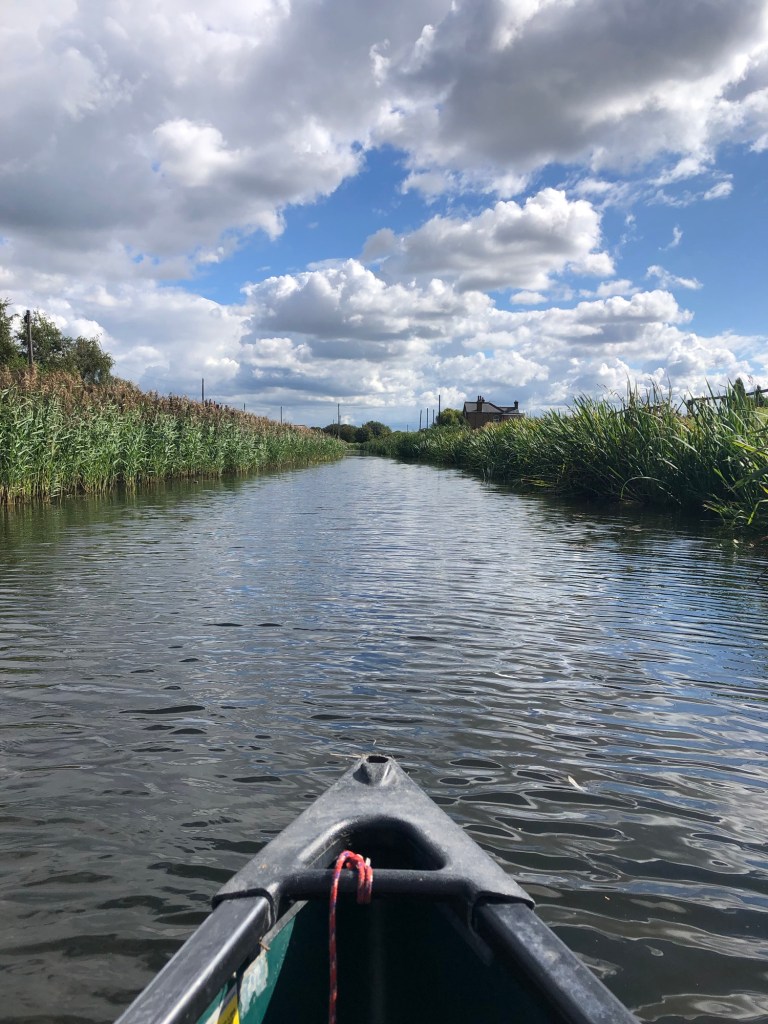
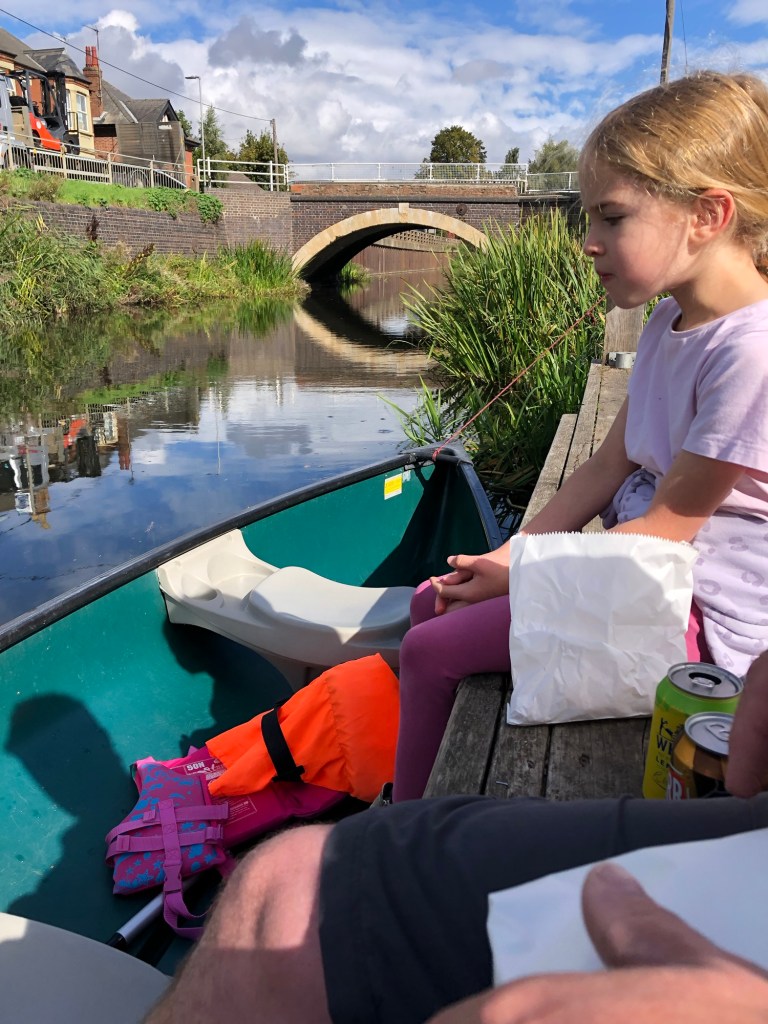
The previous day, we got up early to paddle a Canadian canoe along the Well Creek waterway in Norfolk. It had taken us 8 hours to cover a round trip of 18 miles. The weather had been kind to us and we had a great deal of fun, (as well as a two hour “digging deep” silence on the way back home when we questioned, said “fun”.)
When we returned to our tent that evening, I asked the girls to help me try to remember all the different things we had talked about together as a family that day, because I wanted to write a post about how it’s impossible to learn nothing in 24 hours. I hadnt realised that I would get to use that list far sooner to answer the museum curators questions.
“Ok” I told him. “Since you’ve asked!”
(M) The price we paid for the canoe hire and the refund we got when we opted for a canoe instead of two kayaks.
The distance we would travel and the time we estimated it would take us.
(G) Locating the waterway on the map – checking our position on GPS several times during our journey.
(H) When and why the Fens were drained. The impact that it had and what local people thought about it at the time.
(S) The girls asked a gazillion* questions (which we answered).
(E) Gazillion is hyperbole.
(S) Do fish have teeth?
Look! A Pike! That is actually a Jack Pike. Why is it called that?
What bird is that? A Cormorant.
Also a Red Kite, A Coot, A Water Hen, A Swan.
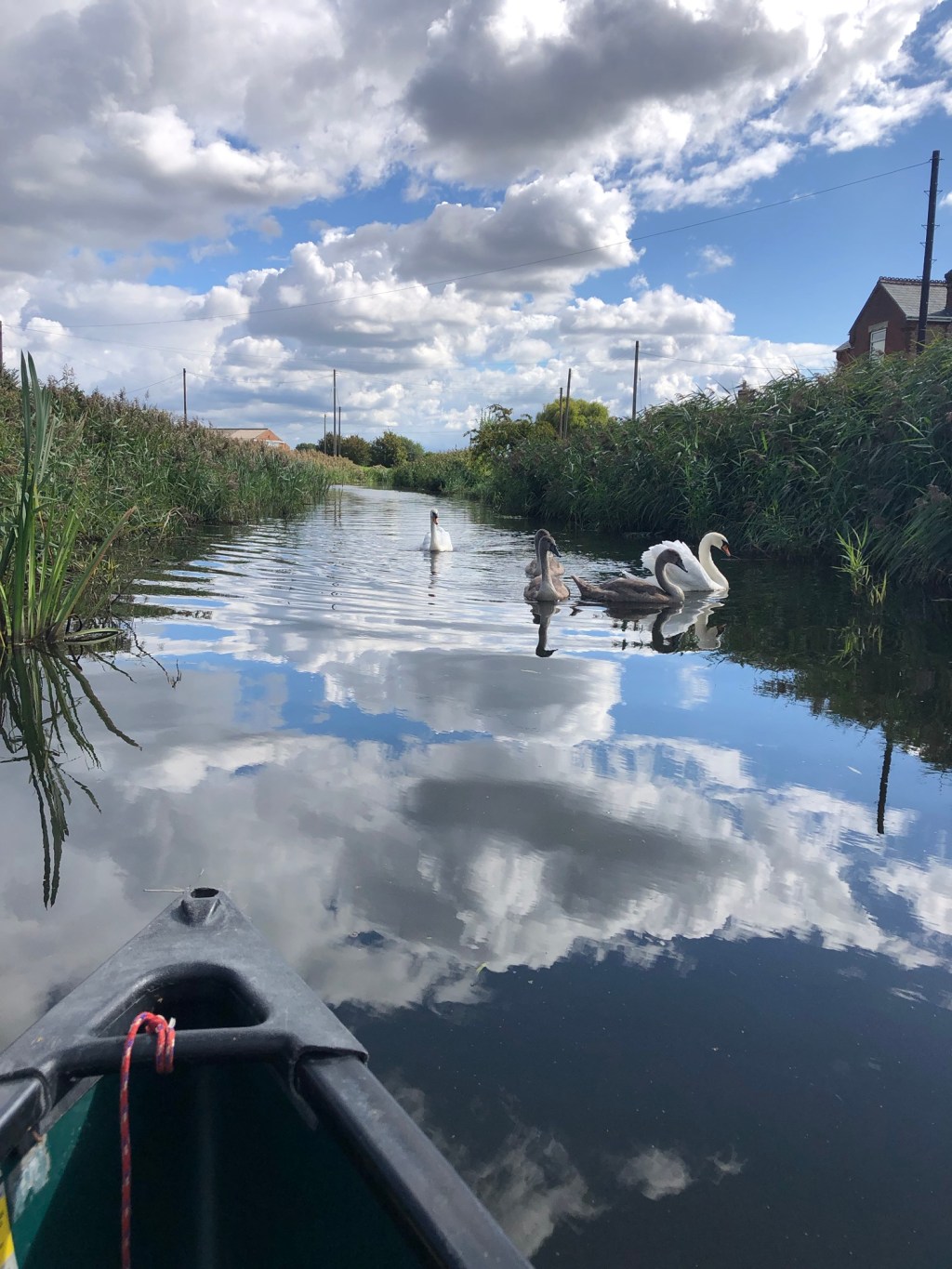
The swans have signets. Look how the male swan is warding us off. Look at his body language. What is he doing to show us he means for us to stay away? See how he’s chasing us out of his territory? By staying quiet and just passing through, we did not cause him too much concern.
Look at the Red deer in the field. Can anyone spot a Chinese Water deer?
Who can spot the Dragonfly? What is the difference between that and the Damselfly?
Who spotted the Kingfisher? Did anyone hear the Woodpecker?
Why does a canoe float?
Look! A fighter jet. A discussion on light travelling faster than sound.
(H) (G) We have just paddled across an aqueduct. What is an aqueduct?
(SS) The fishermen have said hello. The funny man on the boat pretended his friend was a pirate to make us laugh. The lady in the Chip Shop where we moored spoke to us kindly. We asked the men who were spraying the reeds, what they were spraying them with.
(S) We wondered why these men would spray the reeds with a chemical weedkiller when there were fish, birds and other wildlife in the water and the effects that might have. How many lost fishing floats can we salvage?
(SS) What would we do if we fell in the water – any water. How not to panic. How panicking can cause us to use up energy and oxygen and make our bodies tired. What we can do to help ourselves instead.
Those hay bales are so high. They do look fun and challenging to climb, yes. But why might that be a bad idea? What would happen if we fell through the gaps in between? What might happen if a bale fell or fell onto us? What is a silo? How do tragic accidents happen in silos?
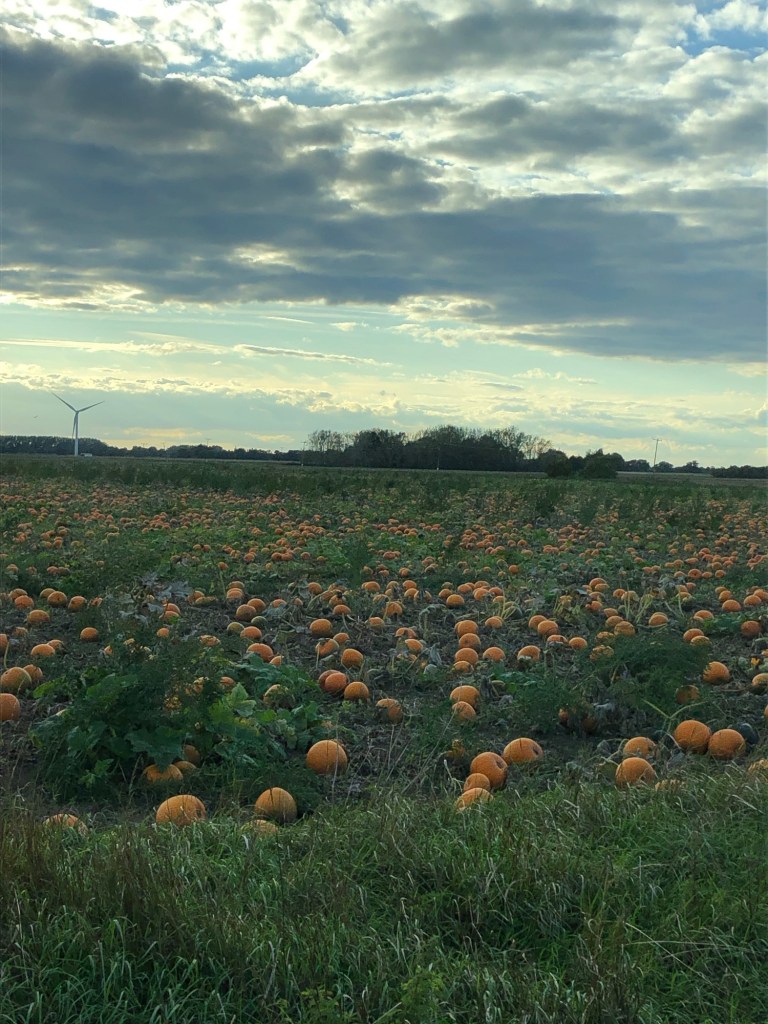
(PSHCE) Pumpkins and sunflowers! Fields and fields of pumpkins and sunflowers. Why? Farming as a business.
(PE) (S) Our muscles are hurting. In our necks, shoulders, elbows, wrists and legs. Why In our legs? Fuel. What do humans need to fuel their bodies? What are good fuels for our bodies and why? Proteins, fats, fibre. What happens if we fuel our bodies with fast acting carbohydrates/sugars? How do we feel after a short time?
(E) What does that sign say? And the many more after that. Who can spot the Chip Shop? Let’s read Paddle to the Sea when we get home.
(Mu) That’s a good song you made up. Let’s sing some more songs.
(G) (S) The water inside Well Creek remains controlled because of the lock. However, once through Salters Lode Lock, the water becomes tidal in the River Great Ouse. We cant go past the lock.
(S) Why does the surface of the water look different under the trees? Where have the ripples gone? How many types of fish can we spot? Can we see the different shapes, sizes and colours? Careful! That conker nearly dropped on your head!
(E) (S) Words! Using the correct words for things, explaining what they mean and how they fit into context to expand vocabulary. See the birds catching the thermals? We can’t see them but the birds know where they are and what to do. These are not oars, they are paddles. Why?
And after we had exhausted our memories of the day, we:
(M) Divided up our sushi and (S) (M) counted satellites in the night sky. Identified the plough and discussed why the skin on our hands felt tight when we warmed them by the open fire after a day on the water.
Honestly, there was no time for the National Curriculum!
“A home education requires the desire to talk with children and a determination to find out (or help them to find out) answers to questions you may not know.”
© Juliette Proffitt 2026
© 2026 Juliette Proffitt
All Rights Reserved
THE ABOVE POST WAS WRITTEN BY AND REMAINS THE PROPERTY OF THE AUTHOR. ALL RIGHTS RESERVED. THE AUTHOR GRANTS PERMISSION TO SHARE UNALTERED POSTS ONLY WHEN EXPLICITLY CREDITING THEM. NO OTHER REPRODUCTIONS ARE GRANTED WITHOUT PRIOR PERMISSION.
 Beautiful Messy Life
Leave a comment