
In my previous post, I spoke about the importance of self-compassion and self-care during challenging times. If you haven’t had the chance to read it yet, you can catch up here.
Life’s unpredictability can present us with various trials but as promised, we’ll explore ways to navigate them with resilience and self-compassion. Let’s take a deeper look into the practical coping strategies I use. So, grab a cup of tea, find a comfortable spot, and let’s continue this journey of self-help and healing.
Before delving into coping strategies, it’s essential to recognize that it’s okay to feel the way you do during or after major life events. Emotions are a natural part of the human experience, and it’s vital we don’t belittle or suppress them, or let anyone else! Understand that your feelings are valid and necessary for the healing process.

1 – Defining Your Limits/Boundaries:
One of the first things I do when I’m feeling fraught or overwhelmed is establish and communicate my boundaries. Letting others know what you can and cannot handle emotionally is an act of self-preservation. Don’t hesitate to say “no” when you need to, and prioritize your well-being. Often I start by looking at my calendar and spend a little time moving or canceling unimportant entries. I try not to schedule more than one important task a day.
2 –Seeking Grace for Self-Compassion:
How many times have you heard it said that we should extend the same kindness to yourself that you would offer a close friend? Do that! Be patient with yourself and understand healing takes time. Remember to tell yourself nice things. Affirmations may sound like something silly, but they really work. Telling yourself you’re enough and you’ve done your best today is a good place to start. Voice aloud that you are brave and strong…because you are. You can do hard things even if you don’t feel brave, even if you’re sad. Your success rate for getting through each day has been high so far, remember.
3 –Asking for Support:
Lean on your support network, be it friends or family. Don’t hesitate to reach out and ask for help when needed. Sharing your feelings with loved ones can provide emotional relief and a sense of connection. Often you’ll find that each of your friends has their own unique skill set! Arranging to see who you know will be able to support you in their own special way is a great idea. Whether they’re a good listener, a voice of reason, can prepare you a meal or take the kids for an hour, don’t be afraid to ask.

4 – Prioritising Your Well-being:
Make self-care a non-negotiable part of your routine. Engage in activities that nurture your body and mind, such as regular exercise, meditation, or journaling. Remember that self-care isn’t selfish; it’s a crucial component of resilience. Practising gratitude is an excellent tool for lifting your spirits at the end of each day. I’m a huge believer in looking for joy but I forget at times. It’s easy to do the wrong thing and end up feeling disatissfied and negative. Doing the right thing takes work, commitment and time. Don’t set the bar high. Think of one simple, nice thing that happened that day before you go to sleep to feed your subconscious and set it up for sweeter dreams. The more you practice gratitude, the brighter your days will be too.
5 – Engaging in Relaxation:
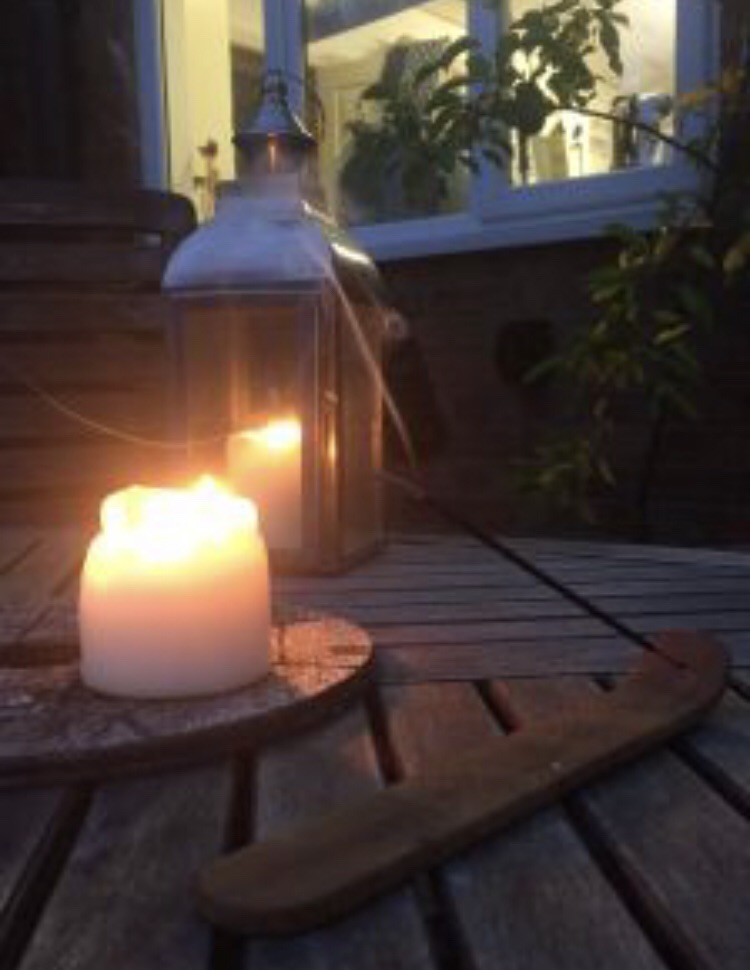
Incorporate relaxation techniques like deep breathing, mindfulness meditation, baths and candles into your daily life. These practices can help alleviate stress and anxiety. It doesn’t have to be anything fancy or expensive. Sitting quietly with your eyes closed and taking some clensing breaths before you get out of bed can make all the difference. For me, there is nothing more comforting than a cup of tea. Some people find walking or sleep stories aid their rest. Whatever works for you enhances your calm and brings you joy.
Create a physical and emotional space that allows you to decompress and reflect. Whether it’s designating a quiet corner of your home, tidying the bedroom of all unnecessary clutter to create a calm zone or taking regular breaks during the day, guarding this personal space can provide a sense of security.
Don’t let external pressures or societies expectations dictate how you should feel or when you should “get over” a challenging situation. Your healing process is unique and valid. Remember to set boundaries and resist the urge to apologise. You haven’t done anything wrong.
Your emotions are part of the journey. Don’t bottle them up. By riding them out and allowing yourself to feel them, you can bring about closure and healing. Resisting them will only cause them to persist. Prioritise your well-being and allow yourself to heal on your terms so you can navigate through stressful times and emerge resilient and wiser.

© 2023 Juliette Proffitt
 Beautiful Messy Life