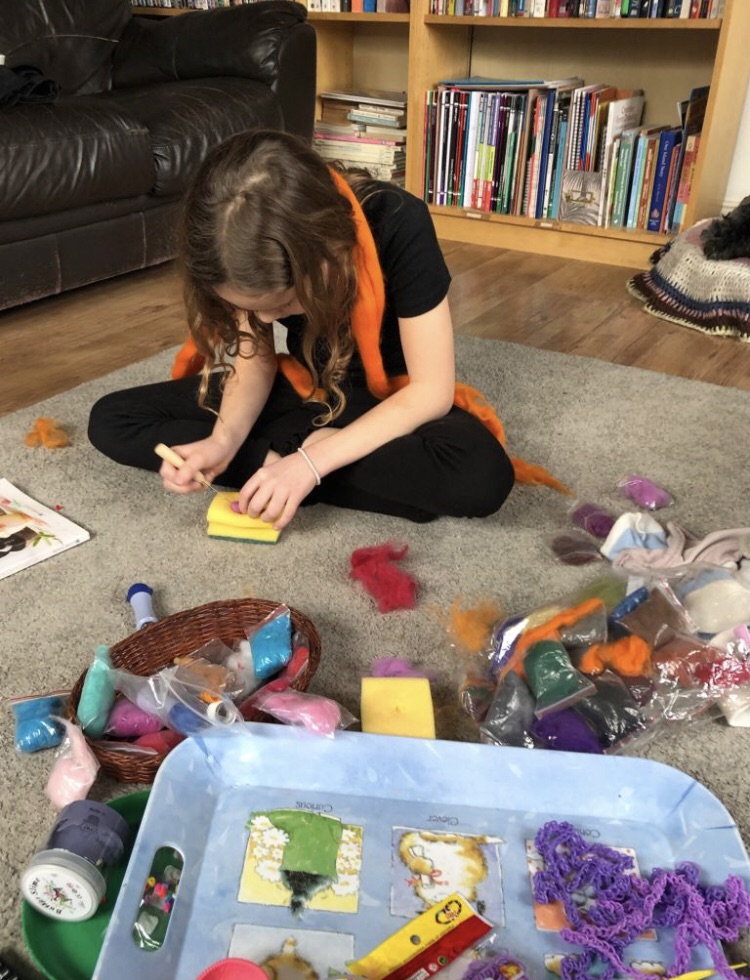
Whether you’re new to homeschooling or have years of experience, refreshing your knowledge on different homeschooling approaches can be beneficial. You might want to explore new methods or seek inspiration to create your unique blend.
Most homeschoolers use a mix of approaches, combining elements from different styles. You may naturally gravitate towards a particular method or evolve over time. It’s essential to remember that there’s no need to stress over labels.
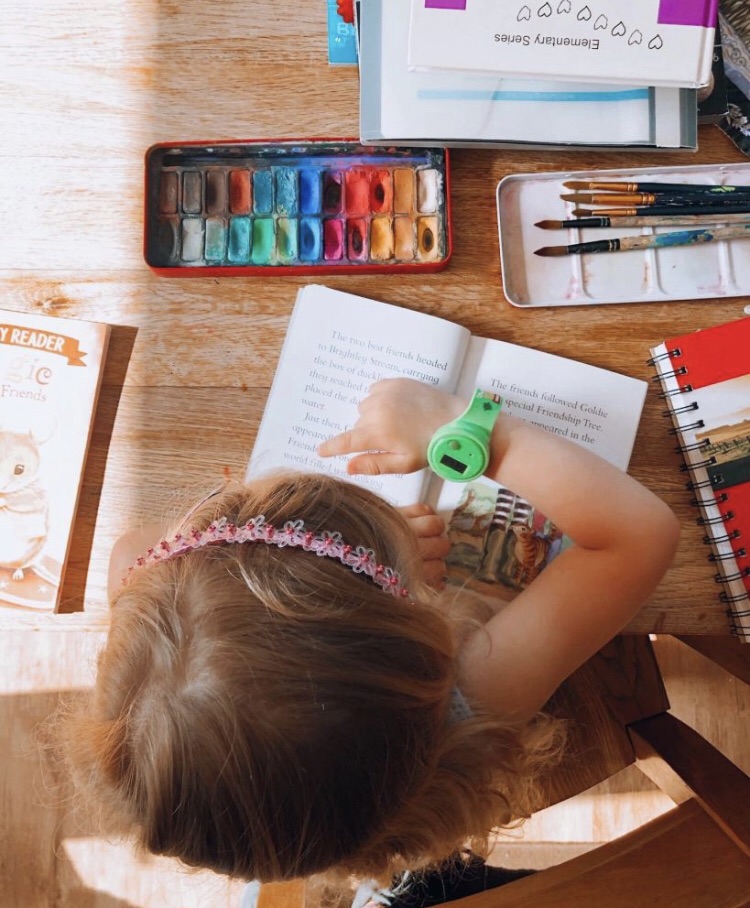
Here is my ultimate list!
- Workbook or Traditional: Some parents follow a traditional school day model, using workbooks and quizzes. This approach offers structure and familiarity.
- Classical: This method focuses on three stages of learning – grammar, logic, and rhetoric. It emphasizes reading, writing, literature, and critical thinking.
- Literature/Living Books or Read Alouds: Learning centers around quality literature and stories. Parents encourage their child’s curiosity and adapt the curriculum to their questions.
- Unit Studying: Topics or books become the central focus, covering various subjects. This approach promotes deep exploration and interdisciplinary learning.
- Charlotte Mason: Charlotte Mason’s philosophy emphasizes a well-rounded education in nature, handicrafts, and skills. Short lessons, outdoor activities, and meaningful books are key.
- Waldorf/Steiner: Rudolf Steiner’s approach nurtures a child’s imagination through play, art, and holistic learning. It encourages a rhythmic, interconnected curriculum.
- Montessori: Montessori education prioritizes real-life experiences and hands-on learning. Children lead their education by following their interests.
- Reggio Amelia/Project-Based: Inspired by Reggio Amelia, this approach is child-led, interest-based, and project-oriented. It fosters curiosity and exploration.
- Unschooling: Unschooling allows children to learn naturally through life experiences and interests. Parents act as facilitators rather than teachers.
- Earth/Nature Schooling: This philosophy emphasizes outdoor learning, herbalism, and connecting with the natural world. It’s adaptable to various settings.
- Delight-Directed/Relaxed/Child-Led & Strewing: These terms refer to flexible, interest-driven learning where parents support their child’s interests and encourage exploration.
- Notebooking/Lapbooking/Journaling: These methods involve documenting thoughts, experiences, and discoveries, allowing children to create a record of their learning.
- Home Tutors/Online Tutors/Distance Learning: Parents can choose to hire tutors or use online resources for their child’s education, providing structure and expertise.
- World Schooling: Families incorporate education into their travels, immersing children in different cultures and experiences.
- Eclectic: An eclectic approach combines elements from various methods, creating a personalized and adaptable homeschooling style.
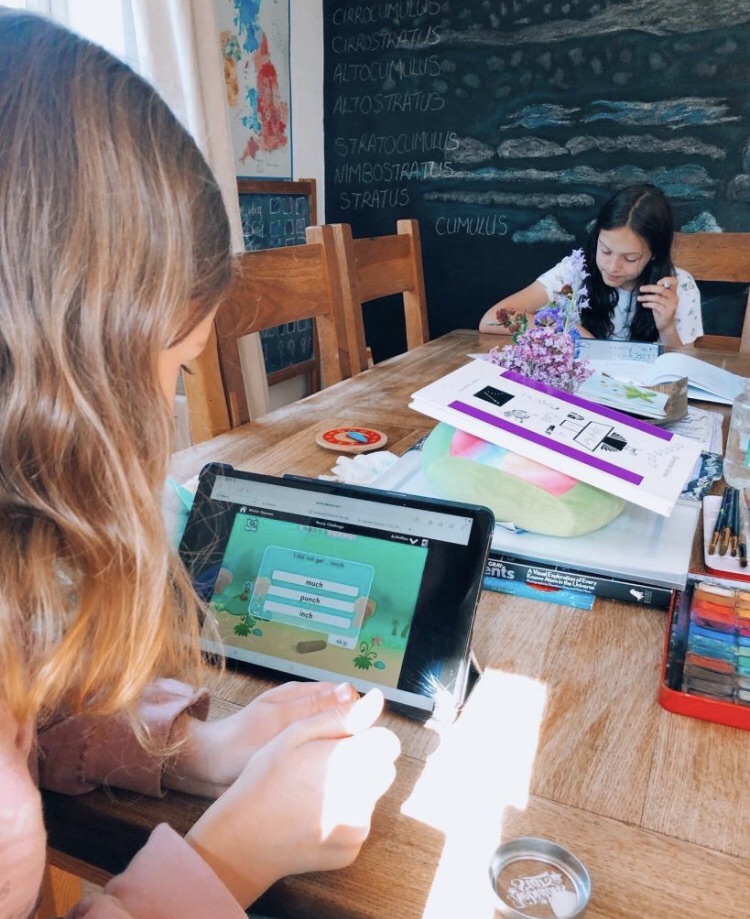
Home educating offers flexibility and the ability to tailor education to your child’s needs. You can adjust your approach as your child grows and interests change, providing a rich and diverse learning experience.
This is only a condensed version so don’t stop there! Keep Reading for how to find out more and where to look…
…It can be really hard to trawl the internet looking for all the information. Why not try my book? I wrote it to help home educating and unschooling parents locate the answers to all their questions in one place. I wish there had been something like that when I first started.
It contains real stories and explains the things I learnt about the school system and Home Education around the globe. Covering topics like deregistering, working out the pros and cons, and understanding the different home schooling styles. Everything from the steriotypical Second Breakfast, reasons not to home educuate and how to handle negative confrontation. It even has example routines and educational philosophies.
[DISCLOSURE: AS AN AMAZON ASSOCIATE I EARN FROM QUALIFYING PURCHASES]
© 2025 Juliette Proffitt ALL RIGHTS RESERVED
THE ABOVE POST WAS WRITTEN BY AND REMAINS THE PROPERTY OF THE AUTHOR. ALL RIGHTS RESERVED. THE AUTHOR GRANTS PERMISSION TO SHARE UNALTERED POSTS ONLY WHEN EXPLICITLY CREDITING THEM. NO OTHER REPRODUCTIONS ARE GRANTED WITHOUT PRIOR PERMISSION.
 Beautiful Messy Life