
In my last post Why I’ll Never Use Reward Charts Again I talked about how as a parent, I have evolved over the years. Many of the techniques I used at the beginning, no longer serve our family.
Some years ago, I delved into researching Unschooling as a more suitable approach to homeschooling. I found it to be more than just an educational philosophy; it’s a lifestyle. Intrigued, I explored how Unschooling could help to make our family life more loving and calm. It didn’t happen overnight but in time I observed fewer frustrations and greater mutual respect in our home by abandoning some of the popular techniques in favour of our own values instead.
Here are 5 tools I abandoned and the alternatives that proved most effective:
1-Time Out: Instead of using time out as a disciplinary tool, I opted for communication. I talked to my children about their behavior, offered hugs for reassurance, or simply walked away.
A lot of the time I call the behaviour out but do nothing else because the children walk off to cool down instead. Using humour instead sometimes, I call out in a silly and dramatic voice “Oh No! You can’t just do whatever you like you know?” One of my favourite things to do with small children is to use a line from a favourite picture book. I call out “No eggs here. OH DEAR!” They normally come round a lot quicker for a hug. My older children remember the naughty step where-as my younger children can’t believe it was a thing!
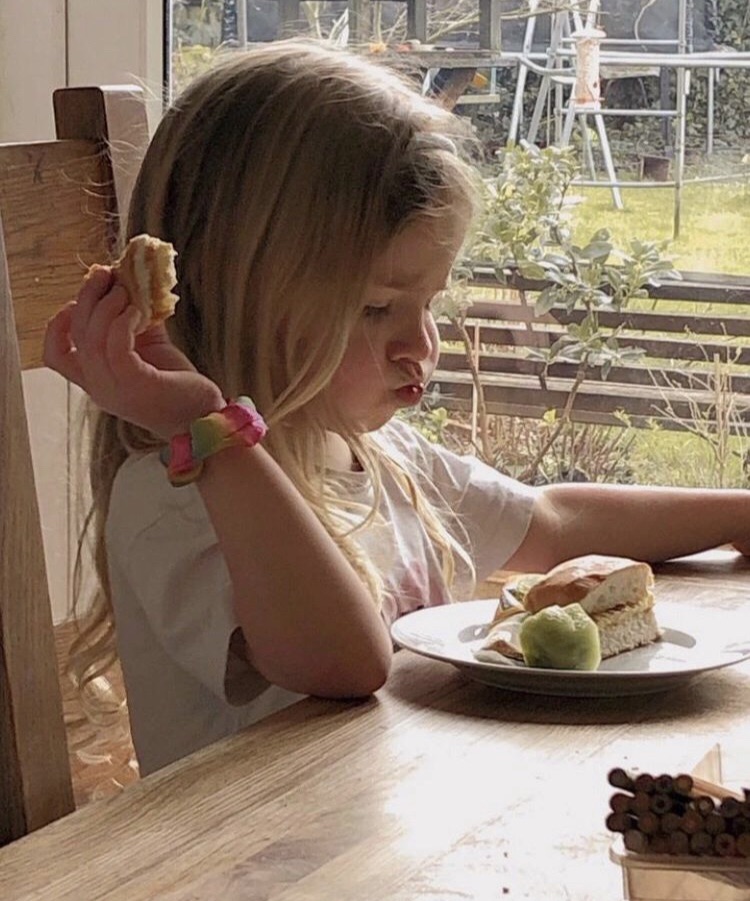
2-Clearing Plates: Rather than enforcing the rule of eating all your dinner, I focused on portion control and empowering my children to listen to their bodies. They had the option for seconds if they were still hungry, and I reassured them that treats or desserts would be saved for later if they were too full.
I do talk about the importance of eating a balanced meal and sometimes encourage my children to try to eat more of a certain something on their plate. We are not in a position to cook different dishes for each child and I do point out that it costs money even if they scrape it into the bin but there is no consequence for not eating your dinner.
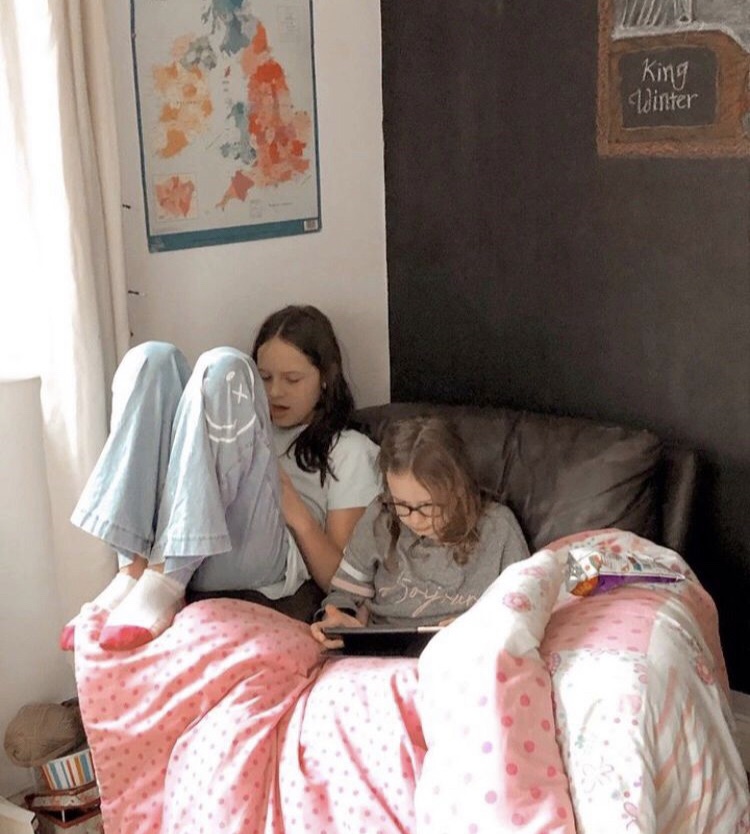
3-Gaming: Instead of reacting to excessive gaming with frustration, I promoted discussions about healthy habits and balanced screen time. Encouraging self-management reduced the need for strict restrictions and curbed binge-playing tendencies. Initially, I really struggled with the noise and language associated with gaming, especially when my eldest became highly engaged during his teenage years. It took me far longer than I wish it had to see things from his perspective and get this right. My children’s gaming habits varied. My son now works and has less time for gaming, while my daughter games loudly but doesn’t play late at night. My other son goes through phases of intense play followed by months of inactivity. By allowing gaming without strict limitations, my children don’t feel resentful or prone to tantrums. They behave better, with no need to sneak extra time or fear it being taken away. The novelty has worn off, resulting in balanced usage without the need for harsh restrictions.
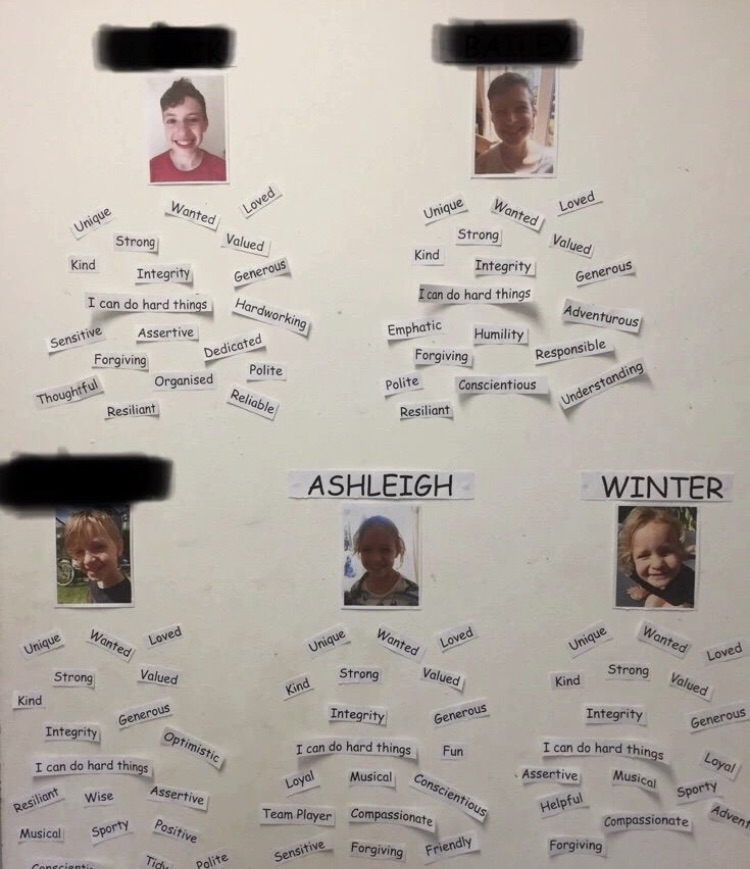
4-Reward Charts: Recognising that chore charts created unhealthy competition and jealousy among my children, I replaced them with more positive reinforcement methods.
I created an affirmation wall with their pictures and positive words to lift them up. I left love messages on the bathroom mirrors for them: “Hello Beautiful”. “You’ve Got This”. Instead of having to earn rewards or have their behaviour displayed for all to see on the refrigerator I replaced the charts and introduced “Friday Treat Pots” as tokens of appreciation to remind them that they are enough. They all get the same amount regardless or behaviour or age.
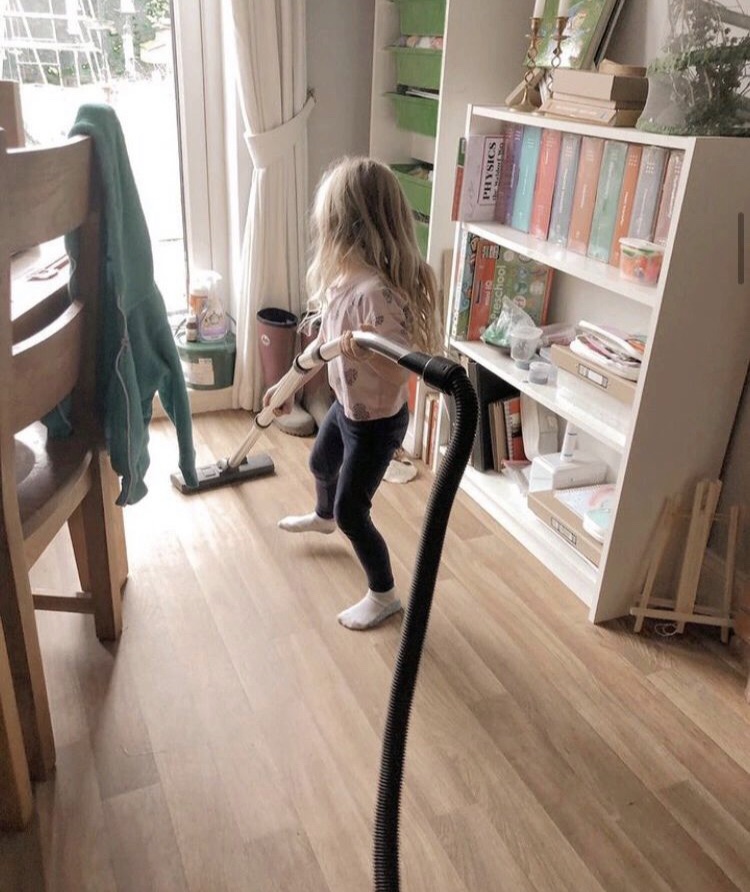
5-Chores:When my children were small, I encouraged them to pick up after themselves, but as they grew older, I found myself overwhelmed by the amount of cleaning up I was doing.
I created a shared list of chores on a weekly rota, thinking it was organised and fair. However, as the children aged, they struggled more with their assigned tasks, leading to challenging behavior and melt downs. It took a while, but I noticed their responsibilities and energy levels were changing. Without mentioning it, I removed the chart and simplified the chores, mostly asking for help after dinner. This shift restored calm, and now, when I need assistance with a big job, they’re more willing to help.

© 2024 Juliette Proffitt
 Beautiful Messy Life